The Recovery Shake Glucose Spike!
What Your CGM Is Actually Telling You
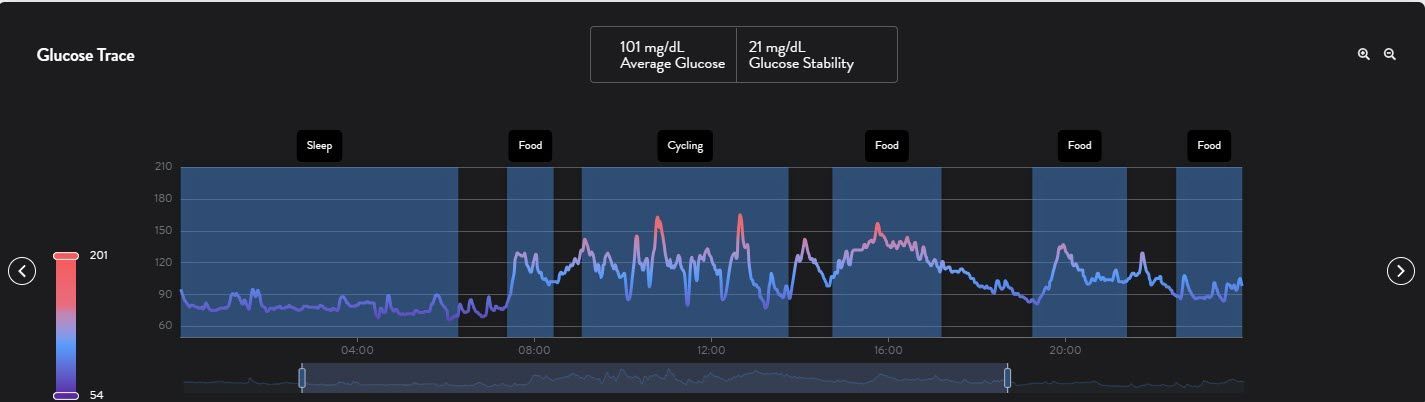
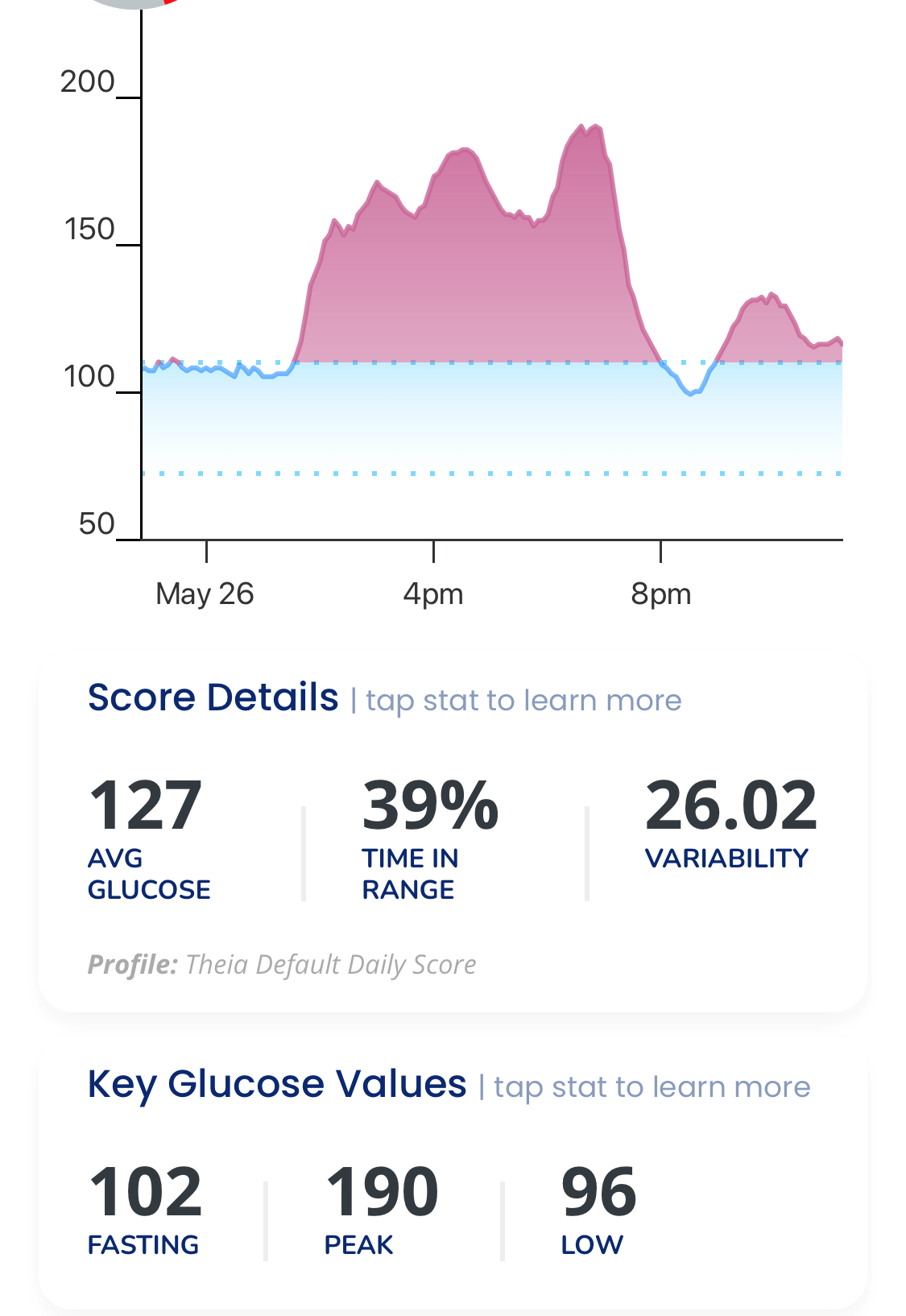
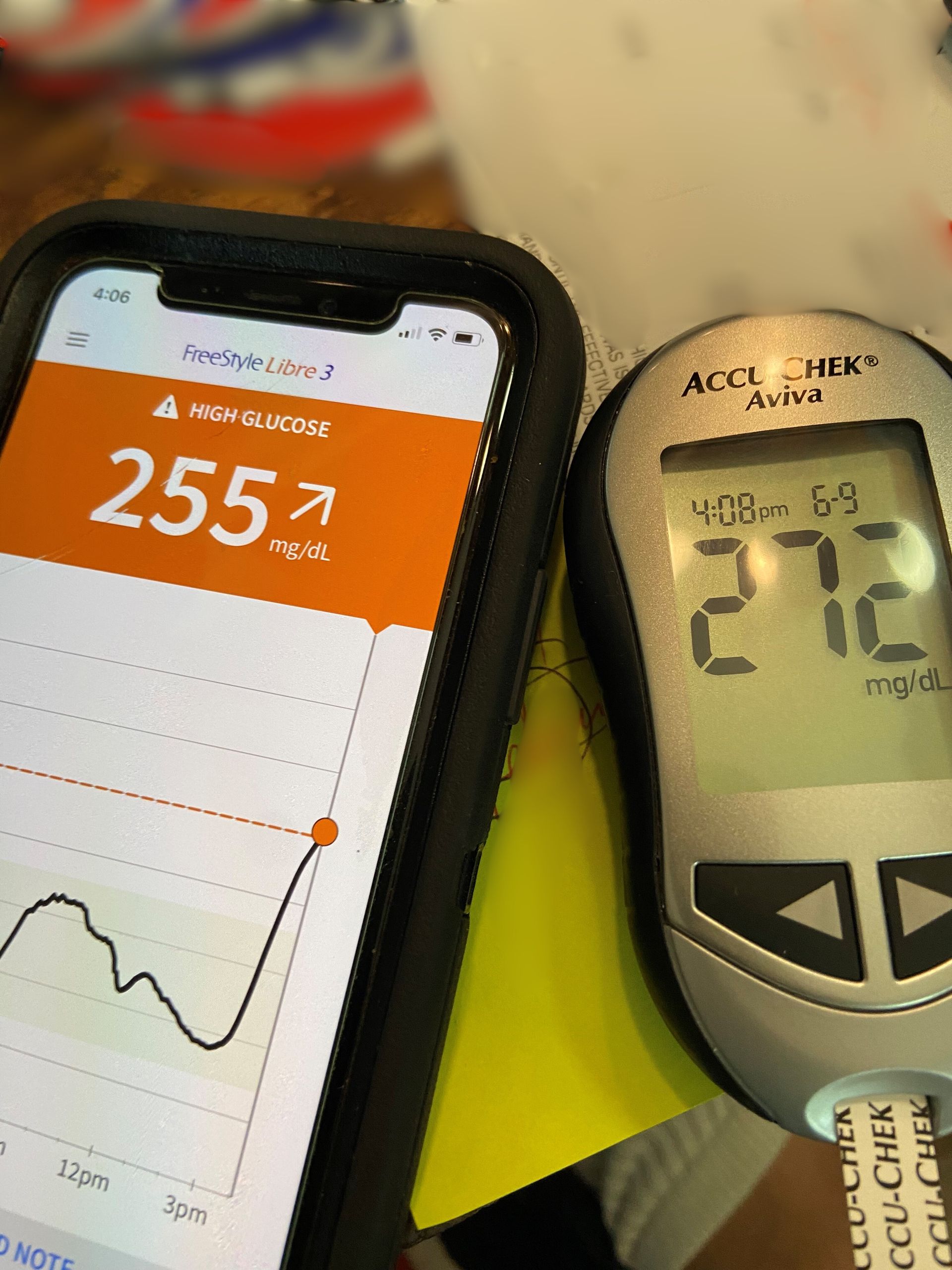
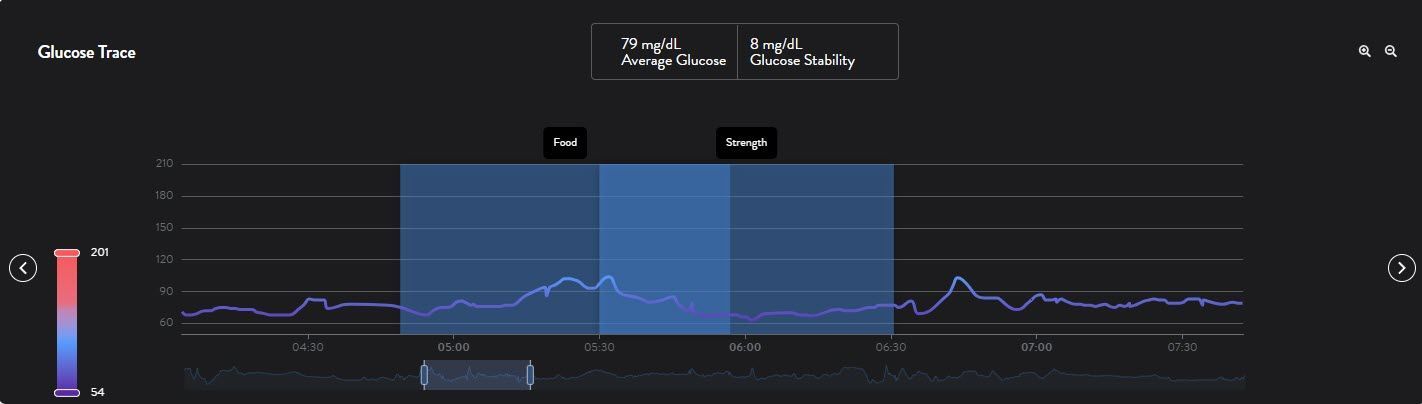
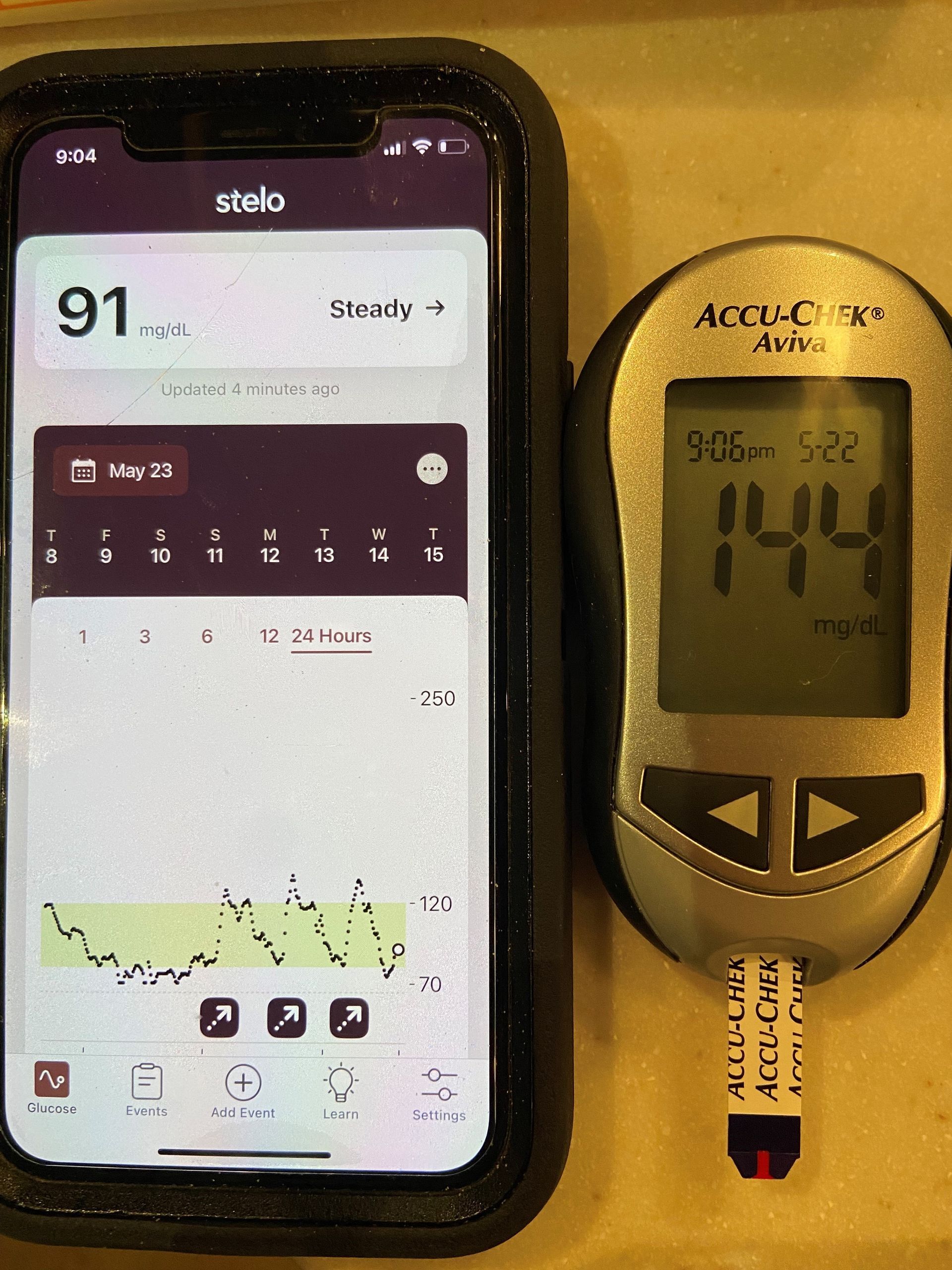
More athletes are strapping on continuous glucose monitors (CGMs) not because they have diabetes, but because they're curious what's happening under the hood. One of the first things almost everyone notices: drink a post-workout recovery shake, and the CGM graph shoots upward within 15 to 30 minutes. For anyone used to thinking of glucose spikes as inherently bad, this can be alarming. It shouldn't be. In the specific context of post-exercise recovery, that spike is a sign your metabolism is doing exactly what trained muscle is supposed to do.
What Actually Happens When You Drink a Recovery Shake
During exercise, especially prolonged or high-intensity endurance work, muscle glycogen — your stored form of carbohydrate — gets drawn down. That depletion itself changes your muscle's biology for the next several hours. Muscle contraction activates glucose transport into the cell through GLUT4 transporter proteins via a pathway that doesn't even require insulin, and this contraction-driven pathway works together with insulin signaling to make post-exercise muscle unusually efficient at pulling glucose out of the bloodstream[1]. In practical terms, your muscles are primed like a dry sponge, and depleted glycogen stores signal the cell machinery — including the enzyme glycogen synthase — to prioritize rebuilding glycogen[1].
So when the carbohydrate from a recovery shake hits your bloodstream, two things happen in quick succession: blood glucose rises, and insulin is released in response. That insulin, combined with the residual contraction-driven sensitivity in the muscle, rapidly shuttles glucose out of the blood and into muscle (and liver) cells to be stored as glycogen. The CGM spike you see is really the front half of that story — the back half, a relatively fast return to baseline, is the payoff. A quick rise followed by an efficient decline is a marker of healthy insulin sensitivity, not a metabolic red flag[1,6].
Should You Have a Recovery Shake?
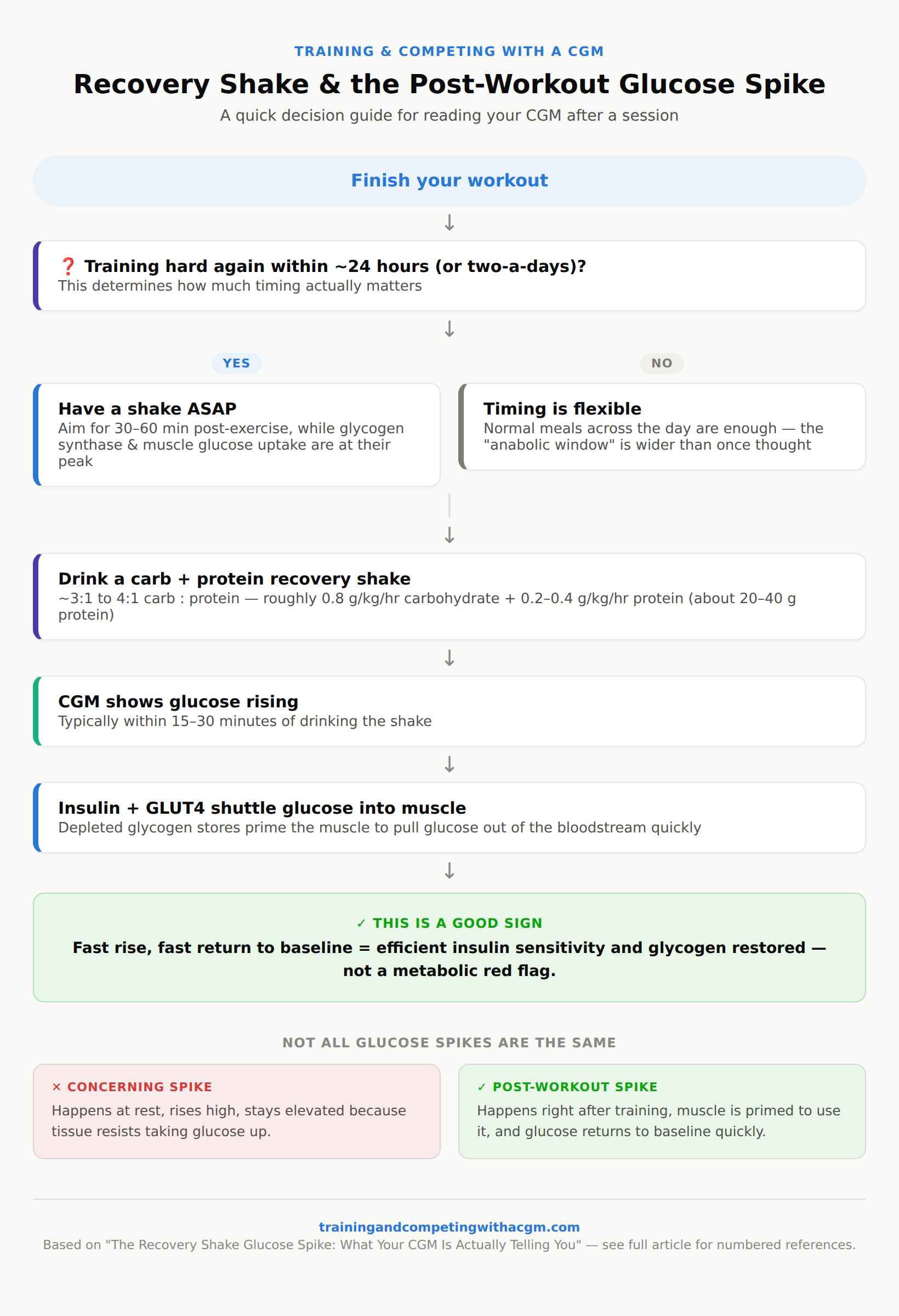
For most athletes training seriously, yes — with a caveat: how much it matters depends on your schedule. When you'll train hard again within about 8 to 24 hours, or you're doing two-a-days, the research is fairly consistent that prompt carbohydrate (and protein) intake meaningfully speeds glycogen restoration and helps you show up for the next session in better shape[2,4].
If your next hard effort is more than a day away and your total daily food intake is adequate, the precise timing of a shake becomes much less critical — the body has ample time to restock glycogen through normal meals, and the so-called “anabolic window” is considerably wider than early marketing suggested[4].
The recovery shake isn't magic; it's a convenient, fast-digesting way to front-load what your muscles are already primed to use immediately after training.
When Should You Have It?
Sooner is better, particularly when recovery time is short. A now-classic study had athletes deplete glycogen through exercise, then ingest carbohydrate either immediately or two hours later; the group that waited saw roughly 50% slower glycogen resynthesis over the following four hours[2].
That's because glycogen synthase activity and muscle glucose uptake are highest in the immediate post-exercise window and taper as time passes. Practically, this means aiming to get carbohydrate and protein in within about 30 to 60 minutes of finishing a depleting session — not because there's a rigid cutoff after which recovery is ruined, but because the muscle's capacity to capitalize on that nutrition is at its peak right then[1,2].
The Glucose Spike — Good Thing or Bad Thing?
In this specific context, it's a good thing. A “bad” glucose spike — the kind associated with metabolic dysfunction — is one that occurs at rest, rises high, and stays elevated because tissues resist taking the glucose up. The post-workout spike is the opposite pattern: it happens when your muscle is unusually hungry for glucose, insulin is working efficiently, and the rise is typically followed by a swift return toward baseline as glucose gets stored as glycogen rather than lingering in circulation[1,6]. Reviews of CGM data in athletes note that trained individuals show more glucose variability than sedentary people overall, and that applying non-athlete reference ranges or assumptions to interpret these swings can be misleading[6]. Context — what you ate, when, and relative to training — matters more than the raw number on the graph.
What About the Carb-to-Protein Ratio?
The classic sports-nutrition finding here comes from a study comparing a carbohydrate-only recovery drink to a carbohydrate-plus-protein drink matched for carbohydrate content: adding protein produced a larger insulin response and roughly 38% faster muscle glycogen storage in the hours after exercise[3]. That finding helped popularize carbohydrate-to-protein ratios in the rough range of 3:1 to 4:1 by weight, and it's the ratio still reflected in many commercial recovery products.
More recent research adds nuance. A 2021 meta-analysis found that when carbohydrate intake is already at an optimal dose — roughly 1.0 to 1.2 grams per kilogram of body weight per hour — adding protein doesn't meaningfully speed glycogen storage further; the benefit of protein co-ingestion shows up mainly when carbohydrate intake is below that optimal amount, likely because the added protein still boosts the insulin response enough to partially compensate[5].
Current sports nutrition guidance reflects this: roughly 0.8 g/kg/hour of carbohydrate paired with 0.2 to 0.4 g/kg/hour of protein (about 3:1 to 4:1 carb-to-protein by weight, or 20 to 40 grams of protein per serving for most athletes) supports both rapid glycogen resynthesis and the amino acid supply muscle needs for repair[4].
In short, the carbohydrate drives the glucose/insulin response that rebuilds glycogen, while the protein both stimulates muscle repair directly and offers a modest additional insulin boost — most valuable exactly when your carbohydrate dose isn't already maxed out.
Understood this way, that post-shake spike on your CGM isn't something to fear — it's your training adaptations showing up in real time.
References
1. Richter EA, Hargreaves M. Exercise, GLUT4, and skeletal muscle glucose uptake. Physiol Rev. 2013;93(3):993-1017.
2. Ivy JL, Katz AL, Cutler CL, Sherman WM, Coyle EF. Muscle glycogen synthesis after exercise: effect of time of carbohydrate ingestion. J Appl Physiol. 1988;64(4):1480-1485.
3. Zawadzki KM, Yaspelkis BB 3rd, Ivy JL. Carbohydrate-protein complex increases the rate of muscle glycogen storage after exercise. J Appl Physiol. 1992;72(5):1854-1859.
4. Kerksick CM, Arent S, Schoenfeld BJ, et al. International society of sports nutrition position stand: nutrient timing. J Int Soc Sports Nutr. 2017;14:33.
5. Craven J, Desbrow B, Sabapathy S, Bellinger P, McCartney D, Irwin C. The effect of consuming carbohydrate with and without protein on the rate of muscle glycogen re-synthesis during short-term post-exercise recovery: a systematic review and meta-analysis. Sports Med Open. 2021;7(1):9.